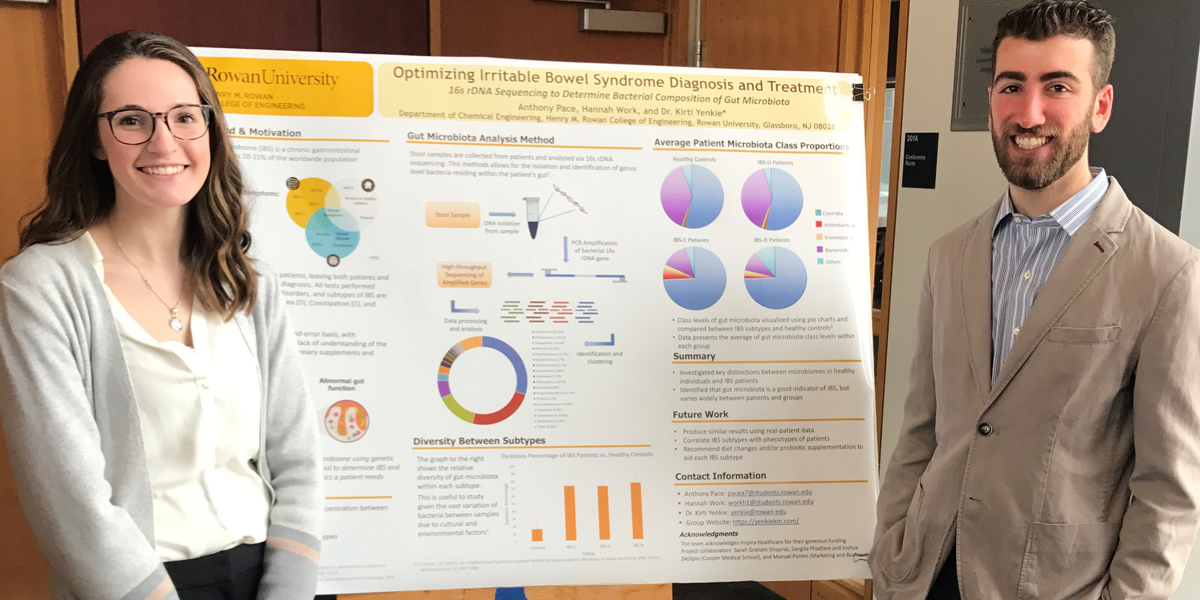
Research and development play a crucial role in engineering education, a focus maintained by our group. Equally vital is imparting engineering knowledge to younger generations, specifically K–12 students. This responsibility is paramount, as these young minds are the future engineers who will shape our world and enhance its livability. It’s our collective duty to educate them about engineering and sustainability, as well as preparing them for future challenges. The purpose of these outreach activities is to introduce students to the field of engineering and educate them on the value of sustainable engineering methods.
Overall, these activities explore problem-solving techniques, teamwork, collaborative engagement with a common targeted goal, and the application of chemical engineering fundamentals to solve real-world problems.
Some Outreach Activities Conducted by our Group
1. ChemE Key
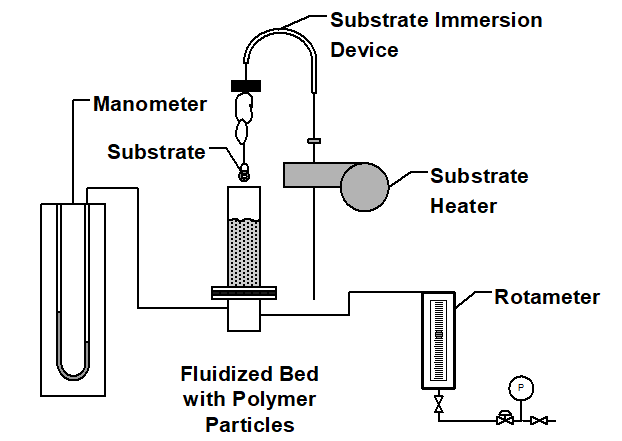
This activity involved the use of a fluidized bed of polymer beads and a heat gun to coat metal keys in a plastic polymer. The illustration is shown below.
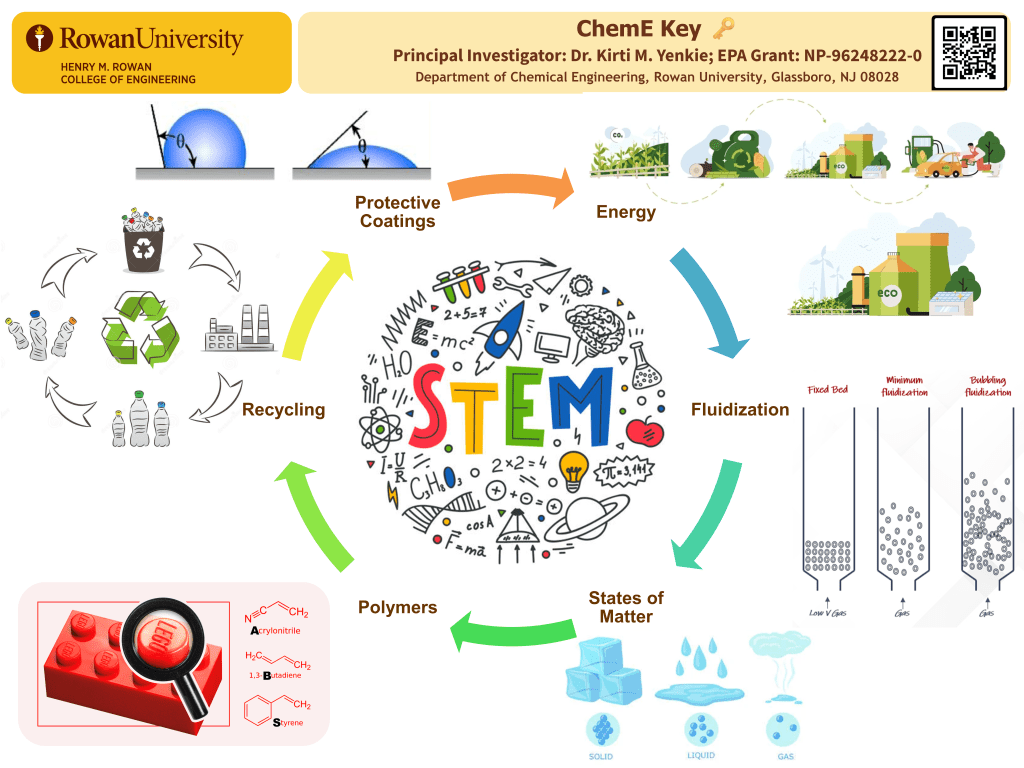
Through this activity, students observed and felt the difference between the fluidized bed at different gas flow rates, which demonstrates the concepts of fluidization and gravitational forces. The image below depicts the many learning concepts from the ChemE Key outreach activity.
Interaction with students on the activity
a. Observing fluidization process
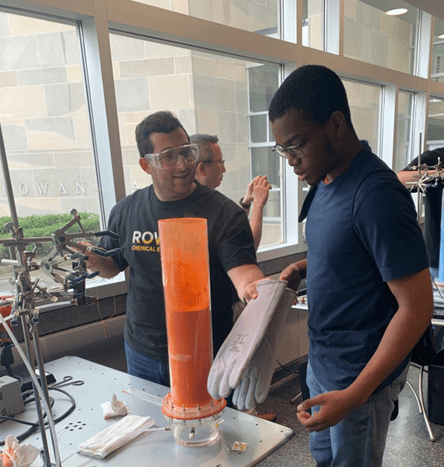
b. Heating the keys

2. Oil Eliminators
This activity involved teaching students about sustainability and how to use engineering principles to clean up oil spills using surfactants and filters. An interactive module video was created which is shown below.
The students demonstrated this activity at the 2023 AIChE Annual Meeting in Orlando, FL

3. Pop Co.
This activity involved introducing students to the concepts of pollution prevention and life cycle analysis (LCA) through the making of popcorn. The activity seeks to emphasize the importance of sustainable practices and pollution prevention, which are often not covered in the school curriculum.
The concept of LCA was explored through evaluating the mass and energy requirements involved in the making of popcorn using four (4) different popcorn-making technologies. These technologies include:
- Microwave
- Jiffy Pop with an electric stove
- Movie Theater Popcorn Machine
- Hot Air Popper
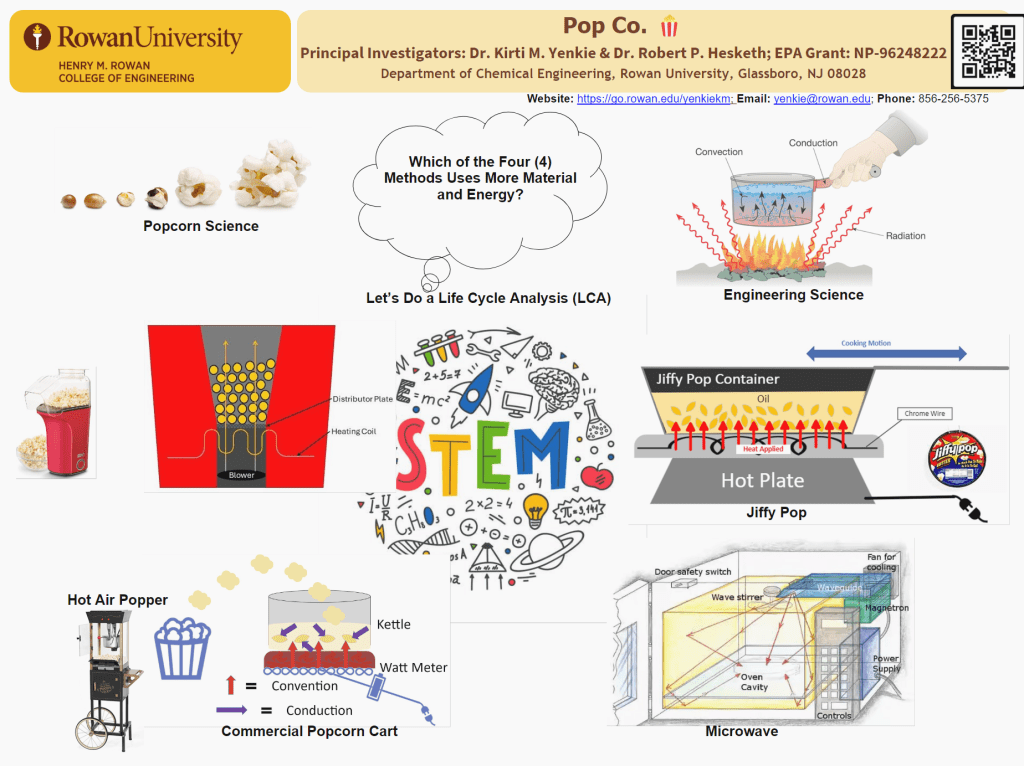
Students gain in-depth knowledge of the science behind popcorn as well as some fundamental chemical engineering principles of heat transfer phenomena. Students are exposed to the operations of the various popcorn-making technologies and the heat transfer principles occurring in each, be it conductive, convective, or radiative heat transfer principles.

The mass of each material involved in the making of the popcorn was determined using an electronic balance, and the energy consumed per technology was measured using a wattmeter. The overall data obtained from each popcorn-making technology was then used in performing a streamlined LCA.
The LCA evaluation metrics comprised of the quantity (mass) of material used, energy consumed, and the taste of the popcorn from each technology to access which technology offers a much more sustainable approach to making popcorn.
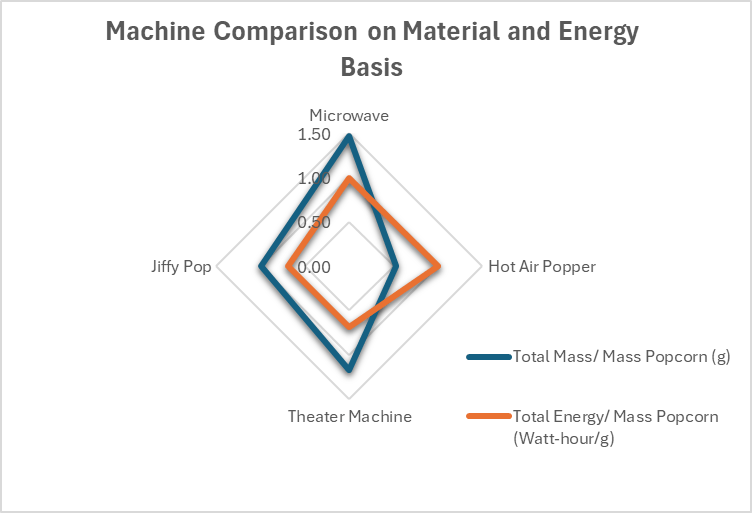
Exposing students to essential chemical engineering and sustainability concepts early in their education will motivate them to embrace sustainable practices in the future.
Link to Outreach Handouts
https://github.com/kmygroup/K-12-STEM-Outreach
 Yenkie Research Group